Copper, Slate, or Standing-Seam: Choosing a Historic Roof System That Will Outlast the Building Again
A historic building's roof is rarely just a roof. On a landmark structure in Detroit or Toledo, it's often the single most visible character-defining feature the Historic District Commission (HDC) will scrutinize — and the most expensive envelope component to get wrong. When a century-old slate, clay tile, or standing-seam metal roof finally fails, owners face a choice that outlasts their own tenure: restore the original material, or replace it with something that performs better but changes the building's face forever.
At JC Beal Construction, we've carried that decision through landmark restorations across both cities, and the answer is almost never "put back what was there." Here's how owners, boards, and facility managers should think through a historic roof replacement — precisely as intended.
Why the Material Choice Is a Preservation Decision, Not a Maintenance One
Original roof materials on pre-1950s commercial and institutional buildings generally fall into three families: natural slate, standing-seam copper or tin, and clay or terra cotta tile. Each was chosen by the original architect for a mix of durability, cost, and architectural vocabulary — a Richardsonian Romanesque civic building reads very differently under slate than under copper.
If your building sits within a local historic district or carries a façade easement tied to historic tax credits, the roof is almost certainly a contributing character-defining feature, not a utility item. Any visible roof replacement — even significant patch repair — can trigger a Certificate of Appropriateness review under the Secretary of the Interior's Standards before a permit is issued, the same approval track we outlined in our guide to navigating the Historic District Commission. Owners who skip that step and hire a conventional commercial roofer end up back in front of the commission explaining architectural asphalt shingle on a 1920s tower roof.
Slate: Durable, Original, and Unforgiving to Get Wrong
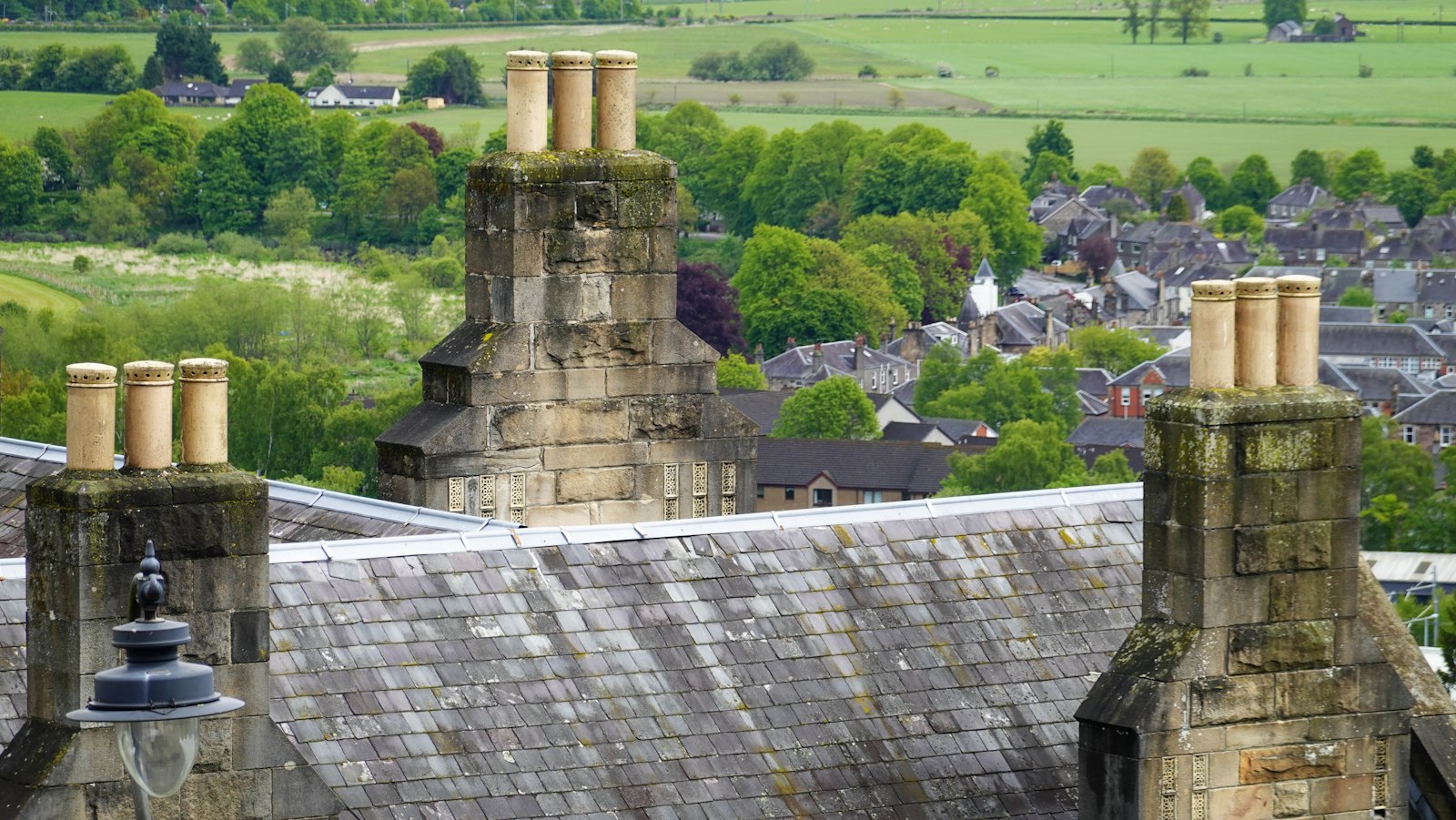
Natural slate, properly installed, is a 75-to-150-year material — why so much of it is still up there, long after the rest of the building has been renovated two or three times over. The problem is rarely the slate itself; it's the fasteners, flashing, and underlayment beneath it failing decades before the stone does. A slate roof that looks "finished" from the ground can be hiding corroded copper nails or deteriorated felt one hard freeze-thaw cycle from a cascade of slipped tiles.
Restoration-grade slate work means sourcing matching slate — color, thickness, and texture vary by quarry, and a patch in the wrong slate reads as a scar from the street — and re-flashing valleys and chimneys in copper rather than the galvanized steel a value-engineered bid will try to substitute. Done right, a slate restoration is a once-in-a-generation project. Done with the wrong materials, it's a five-year problem wearing a hundred-year material.
Standing-Seam Copper: The Premium Option That Pays for Itself in Patina
Copper standing-seam roofing shows up on cupolas, mansard sections, and bay window caps on many landmark buildings we work on in both cities. Its appeal is that it ages the way the original architect intended — a mill-finished panel weathers to brown patina and eventually blue-green verdigris, a color shift that's part of the building's authenticity, not a defect.
The decision for owners usually comes down to cost versus longevity. Copper standing-seam costs meaningfully more per square than painted steel, but a properly detailed copper roof can outlast two or three generations of painted metal, each needing its own repainting or replacement cycle. For an owner thinking in decades rather than fiscal quarters — the right frame for any landmark asset, and one of the same economics behind the historic tax credits that help restoration projects pencil — copper is frequently the lower lifetime-cost option despite the higher upfront bid.
Where a Compatible Modern System Makes More Sense
Not every roof plane needs to be original material to satisfy the HDC. Lower-sloped sections, additions, and areas with limited street visibility are often approved for a compatible modern standing-seam metal system — typically a Kynar-coated steel or aluminum panel in a profile and color that reads consistent with the historic material nearby, without the maintenance burden of slate on a plane nobody but a drone will ever see. An experienced restoration contractor earns their fee right here: knowing which planes a commission treats as character-defining — the same reasoning that governs façade easement covenants on these buildings — and which it will approve for a performance-driven substitute. Guessing wrong either wastes budget on an invisible plane in premium slate, or triggers a stop-work order on a visible one re-roofed in the wrong material.
What a Realistic Timeline Looks Like
Owners are often surprised the roofing trade itself is rarely the long pole in a historic re-roof — the approval and sourcing timeline usually is. Budget for HDC review before work begins, and expect slate sourcing lead times that can run several months if the original quarry is no longer active and a match has to be found elsewhere. Copper lead times are shorter but still measured in weeks once the panel profile and finish are set. A well-run project sequences the roof concurrently with interior and MEP work wherever occupancy allows, rather than letting it sit as a standalone critical-path item — exactly why roof replacement belongs in a full restoration plan, not handed off separately to a roofer with no historic district experience.
Get the Roof Decision Right the First Time
A historic roof replacement is not a project most building owners will do twice. The material decision, the HDC approval path, and the contractor's familiarity with restoration-grade detailing compound into whether the next re-roof happens in your lifetime or your successor's. JC Beal Construction has carried landmark roof systems through restoration projects across Detroit and Toledo, working directly with local commissions to keep the right materials visible and the right performance underneath them.
If your building's roof is due for a decision, connect with our team to talk through what your specific structure, district, and budget actually call for.