
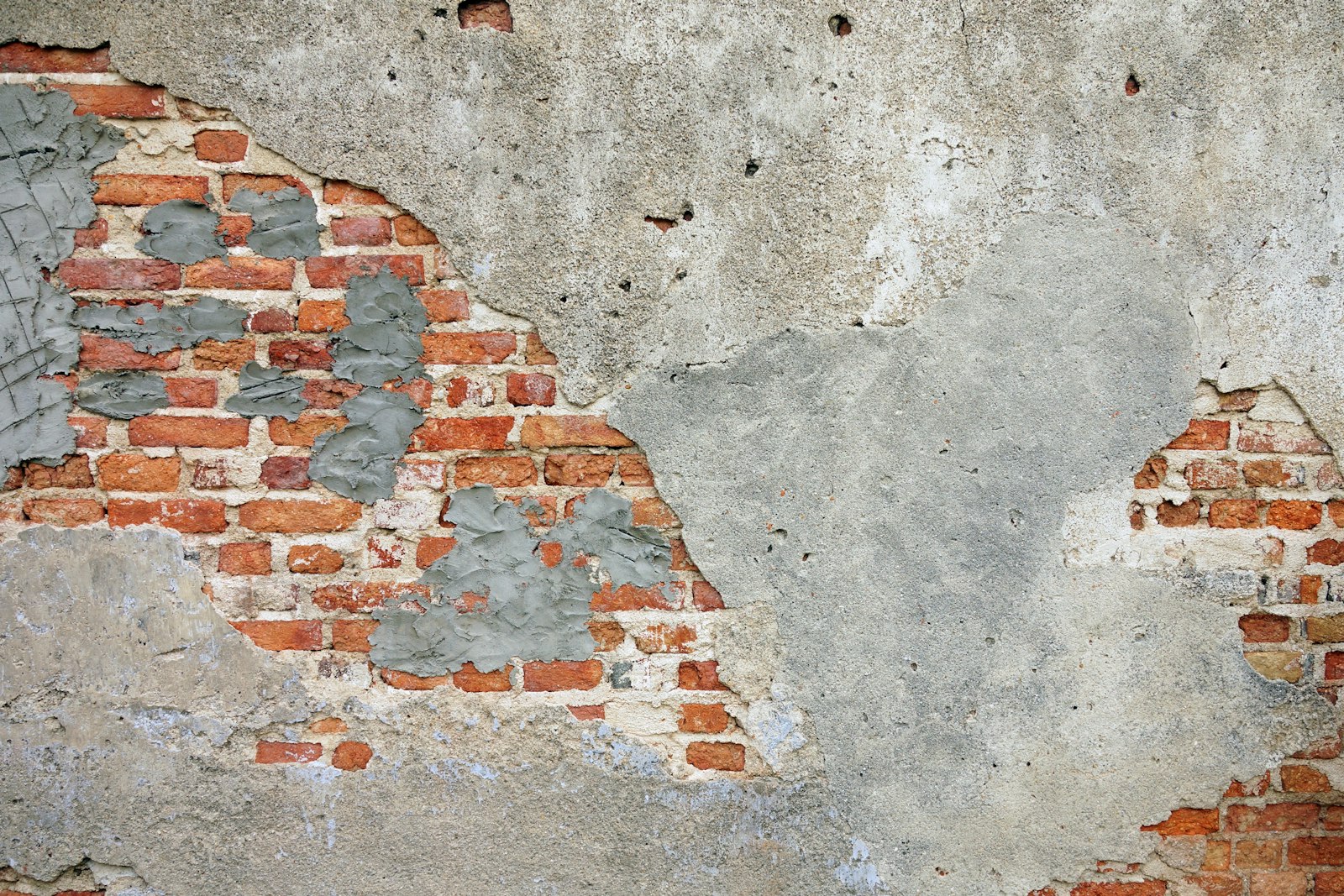
Why Matching 1920s Masonry Is Harder Than Building New: Inside the Craft of Historic Brick Restoration
Walk through any downtown Detroit or Toledo block with a building constructed before 1940, and you'll find brick that doesn't quite match. A clumsy gray patch here, a seam of slightly-wrong red there. It isn't always a failure of effort — it's often the clearest evidence of how hard historic masonry actually is to restore correctly. At JC Beal, we've learned that matching a century-old wall is a far more demanding discipline than laying a new one, and getting it right is what separates a building that still reads as original from one that looks repaired.
Why Old Brick Isn't Like New Brick
Brick manufactured in the 1900s through the 1930s was typically fired at lower, less consistent kiln temperatures than today's product, which gives it a softer, more porous body. That softness isn't a flaw — it's part of how the wall was designed to perform. Historic brick is meant to absorb and release moisture, working together with lime-based mortar that flexes rather than resists. Modern brick, by contrast, is harder, denser, and far more uniform in color and size.
When a contractor drops modern brick or hardware-store mortar into a historic wall, the mismatch isn't only cosmetic. A hard modern mortar joint forces moisture to push through the softer original brick instead of the joint, which accelerates spalling and cracking — the very damage the repair was meant to prevent. Matching masonry correctly means matching performance, not just appearance.
Sourcing Brick That Actually Belongs
Before any replacement unit goes into a historic wall, our team pulls samples and has them analyzed for size, color, texture, and composition. On projects like Hillsdale City Hall, that process means tracking down reclaimed brick from period-appropriate demolitions, or working with specialty manufacturers who still produce softer, low-fired units that approximate the original. Salvage yards, architectural reclamation suppliers, and in some cases custom brick runs are all part of the toolkit.
It's slower and costlier than ordering a pallet from a local supplier. But an institutional owner or insurance carrier isn't paying for brick — they're paying for a wall that performs and reads as original for another hundred years. Shortcuts here tend to resurface, literally, within a few freeze-thaw cycles.
Mortar Is Where Most Repairs Fail
If brick sourcing is the visible half of the problem, mortar composition is the half that gets overlooked — and it's usually the half that causes real structural damage. Historic mortar was almost always lime-based, with little or no Portland cement. Portland cement mortar is significantly harder and less permeable than lime mortar, and when it's used to repoint a historic wall, it becomes the hardest material in the assembly.
That matters because masonry walls need a "sacrificial" layer — something softer than the brick that can be replaced when it eventually wears, rather than the brick itself bearing the damage. Lime mortar is designed to be that sacrificial layer. Portland cement reverses the relationship: the mortar becomes harder than the brick, so when the wall moves — and every building moves — the brick cracks instead of the joint. We formulate repointing mortar to match the original lime content, color, and joint profile, verified against existing untouched sections of the wall before a single joint is cut out.
Reading the Wall Before Touching It
Every historic masonry project at JC Beal starts with diagnostic work, not demolition. That means documenting existing conditions, testing mortar samples, and identifying which sections of a wall are original versus previously (and often incorrectly) repaired. On fire and water-damaged buildings, this step is especially critical — thermal shock and trapped moisture can compromise brick in ways that aren't visible from the street, and insurance documentation needs to reflect exactly what's salvageable versus what requires full replacement.
This diagnostic phase is also where we make the preserve-or-replace call on a unit-by-unit basis. Original material that can be stabilized and kept is almost always the right answer — both for authenticity and for cost. Replication is reserved for brick that's genuinely beyond saving, and even then, it's built to match what's staying, not the other way around.
What This Means for Building Owners and Institutions
For a board, an institutional owner, or an insurance-driven restoration client, the practical takeaway is simple: a bid that treats brick matching as a line item rather than a process should raise questions. Ask how the contractor is sourcing replacement units, what the mortar specification is, and whether sample panels will be reviewed and approved before full-wall work begins. Those questions separate a contractor who understands historic masonry from one who's simply experienced at laying new brick.
It's also worth remembering that this work protects more than curb appeal. A façade repaired with the wrong materials often fails faster and costs more to fix a second time than if it had been done correctly from the start — a hard lesson for any commercial or multifamily owner managing capital budgets around a landmark asset.
Matching historic masonry is slower, more deliberate work than building new. That's precisely the point. Done correctly, it's invisible — the wall simply looks like it was never touched at all, restored precisely as intended.
If you're evaluating a masonry restoration project in Detroit or Toledo, connect with our team to talk through what a diagnostic assessment and material match would look like for your building.