
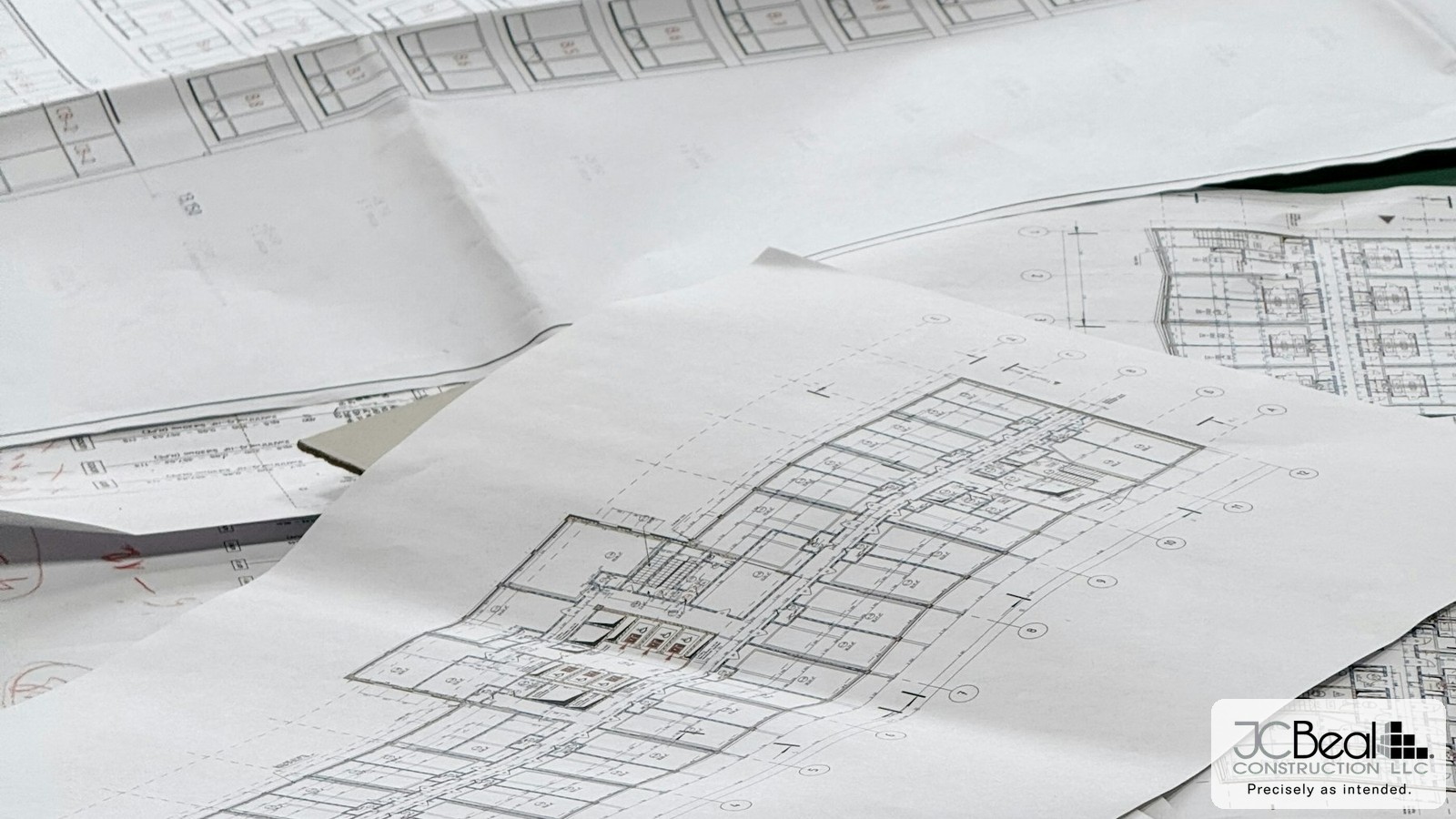
Fire in an Occupied Apartment Building: Tenant Relocation, Selective Demolition, and Getting Units Back Online
A fire in a vacant warehouse is a construction problem. A fire in an occupied apartment building is a construction problem wrapped around dozens of households who still need somewhere to live tonight. The sequence that gets everyone back home fastest rarely starts with demolition — it starts with sorting out who can stay, who can't, and why.
Triage before tear-out
Not every unit in a multifamily building is equally damaged. A fire on the third floor can leave the first floor untouched by flame but compromised by water intrusion, smoke infiltration through shared chases, or an electrical system that has to be de-energized building-wide until an inspector clears it. Before any demolition starts, we walk the building floor by floor and sort units into three categories: safe to occupy now, needs remediation but salvageable, and total loss requiring full gut-out.
That triage drives everything downstream — it's the same instinct behind stabilizing a building in the first 48 hours to stop a second loss, except here the stakes include knowing which doors residents can walk back through this week.
Tenant relocation is a logistics problem with a legal deadline attached
Michigan and Ohio both put real timelines and disclosure obligations on landlords when a unit becomes uninhabitable, and insurance carriers increasingly expect documented proof that displaced tenants were relocated in good faith, not left to figure it out themselves. Practically, that means:
- A unit-by-unit habitability determination, signed off by whoever has the authority to make it (building official, fire marshal, or the owner's engineer) — not a verbal "it's fine for now."
- Clear, written communication to every affected tenant about what's being done, on what timeline, and where they can get questions answered — gaps here are where frustration turns into liability.
- A sequencing plan that prioritizes the least-damaged, most-occupied sections of the building first, so the number of displaced households shrinks as fast as the work allows instead of staying flat until the whole project finishes.
Selective demolition, not total demolition
The instinct to gut everything below the fire floor "to be safe" is usually the expensive instinct, not the careful one. Selective demolition means removing exactly what smoke, heat, and water actually compromised — damaged drywall, saturated insulation, scorched framing members — while protecting adjacent structure, shared mechanical runs, and finishes in units that tested clean. Over-demolishing an occupied building doesn't just cost more; it displaces residents from units that didn't need to come offline at all.
This is where documentation earns its keep again. Moisture readings, smoke-penetration testing, and photographed scope boundaries aren't paperwork for its own sake — they're what lets a contractor defend a selective-demo plan to an insurance carrier and a building department at the same time, the same discipline behind how a proper fire damage assessment gets built before repair starts.
Getting units back online in order
Phasing an occupied apartment building back into service looks a lot like phasing a courthouse or hospital through restoration — work in sealed-off sections, keep life-safety systems live for occupied areas throughout, and hand back finished units in batches rather than waiting for a single grand reopening. For a multifamily owner, every batch of units returned early is tenants back on a lease, rent resuming, and fewer relocation costs accumulating on the claim.
A fire in an occupied building tests a contractor's ability to run two projects at once — construction and people. Get the triage and the sequencing right, and the building comes back online in pieces instead of all at once at the end.
If your building has tenants who need a path back home, connect with our team to talk through triage and sequencing before demolition starts.