
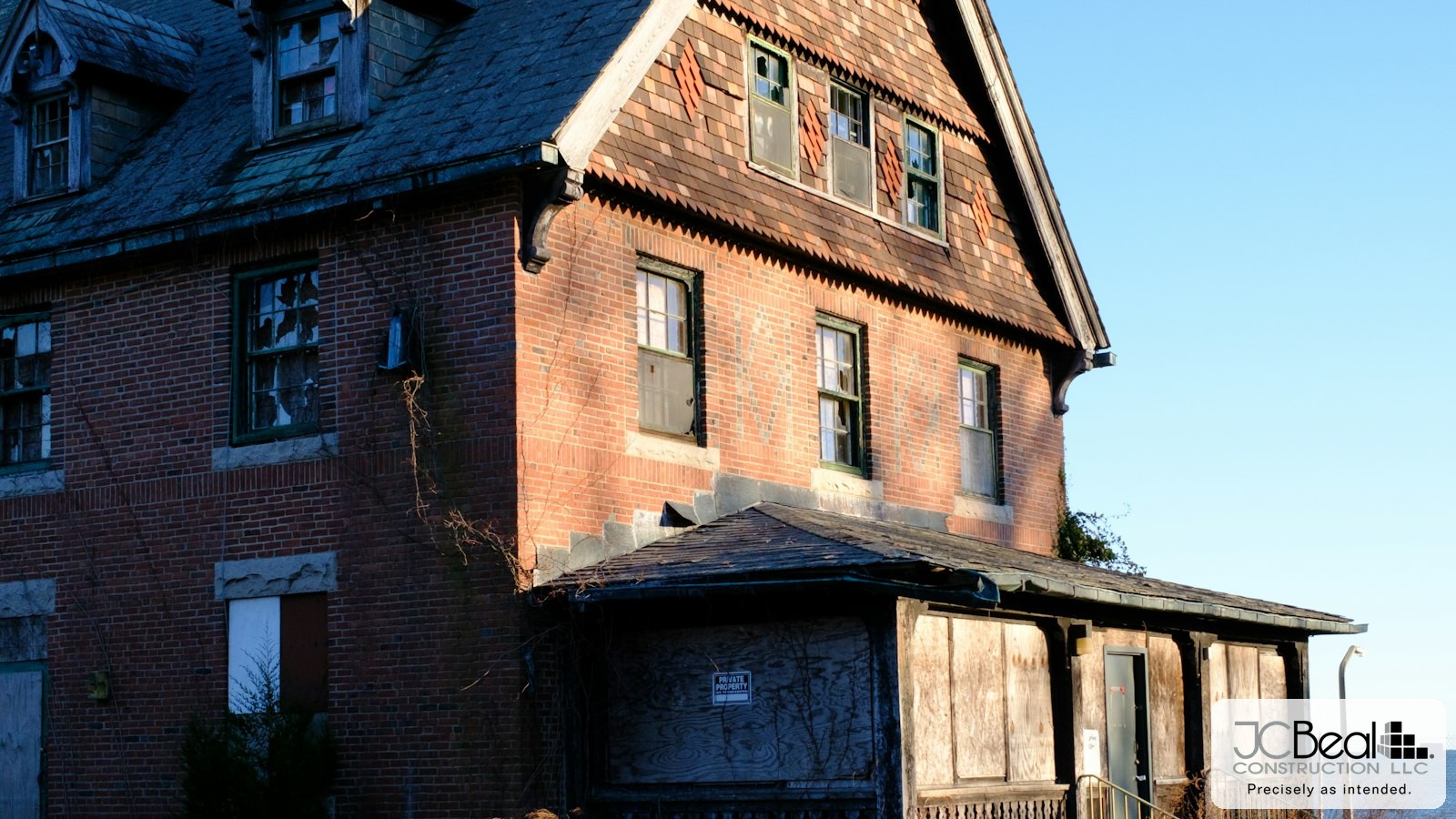
Mothballing a Vacant Landmark: The Low-Cost Protections That Keep an Empty Historic Building From Becoming a Teardown
A vacant historic building doesn't fail all at once. It fails one winter at a time — a roof leak that goes unnoticed for a season, a broken window that lets in weather and pigeons, a boiler shut off without being properly drained. None of these are dramatic events on their own, but stacked over a few years of vacancy, they're exactly how a structurally sound landmark ends up condemned. Mothballing — the formal, low-cost process of protecting a vacant building until funding, a tenant, or a redevelopment plan is in place — is the difference between a building that's simply empty and one that's actively deteriorating.
What Mothballing Actually Means
Mothballing is a defined set of protective measures, not just locking the doors and walking away. The Secretary of the Interior's Standards for Rehabilitation — the federal framework that governs historic tax credit eligibility — recognize mothballing as a legitimate interim step, provided it's done correctly. That matters for building owners: a poorly secured vacant building can lose historic designation eligibility or tax credit standing if deterioration crosses the line from "vacant" to "abandoned and unsalvageable." Done right, mothballing preserves both the physical building and the owner's future options.
The Building Envelope Comes First
Water is the single fastest destroyer of a vacant historic building, and the roof and building envelope are where that fight is won or lost. A proper mothballing plan means a watertight roof — temporary if necessary, but genuinely watertight, not just "mostly patched" — along with boarded or glazed windows, sealed penetrations, and functioning gutters and downspouts still directing water away from the foundation. Skip this step and every other protection becomes irrelevant within a year or two, because water finds its way into masonry, wood framing, and plaster faster than almost any other form of neglect.
Mechanical Systems Need a Real Shutdown, Not Just an Off Switch
Boilers, pipes, and fire suppression systems that aren't properly drained and winterized don't just fail — they cause secondary damage when they do. A frozen and burst pipe in an unoccupied building can go undetected for weeks, turning a $200 wintering job into a five-figure water damage claim. The same logic applies to electrical systems: dead circuits should be locked out, not left live with no one checking on them. This is one of the most commonly skipped steps in informal "mothballing," and it's usually the one that causes the most expensive surprises later.
Security and Monitoring Aren't Optional Extras
An unsecured vacant building invites two problems that speed up deterioration far faster than weather does: vandalism and unauthorized entry, including scrappers stripping copper pipe and wiring. Beyond boarding openings, a monitored alarm system and scheduled site visits — even monthly walk-throughs with photo documentation — catch problems (a failed board, a new leak, a break-in) while they're still small and cheap to fix. That documentation also matters if you're filing an insurance claim or applying for historic tax credits later; a paper trail showing consistent maintenance strengthens both.
Mothballing Buys Time — It Doesn't Replace a Plan
The goal of mothballing isn't to keep a building empty indefinitely. It's to stop the clock on deterioration while an owner lines up financing, a tenant, or a redevelopment partner — the same kind of work behind the buildings everyone gave up on that eventually anchor a downtown block. A well-mothballed building is a real asset an owner or institution can return to in two years or ten. A neglected one becomes a demolition-by-neglect case, and by then the choice isn't repair versus replace — it's whether anything is left worth saving.
Get the Assessment Before You Decide
Every mothballing plan should start with an actual condition assessment, not assumptions about what the building needs. What looks like a minor roof issue from the ground can be a structural one from the attic, and what looks unsalvageable from the street is often stabilized with the right envelope work. If you're weighing whether to mothball, sell, or move forward with restoration, the standards that govern that decision are the same ones that determine tax credit and historic designation eligibility down the road.
Have a vacant historic building on your hands and aren't sure what protecting it actually requires? Connect with our team for an honest assessment of what it will take to keep your building's options open.