
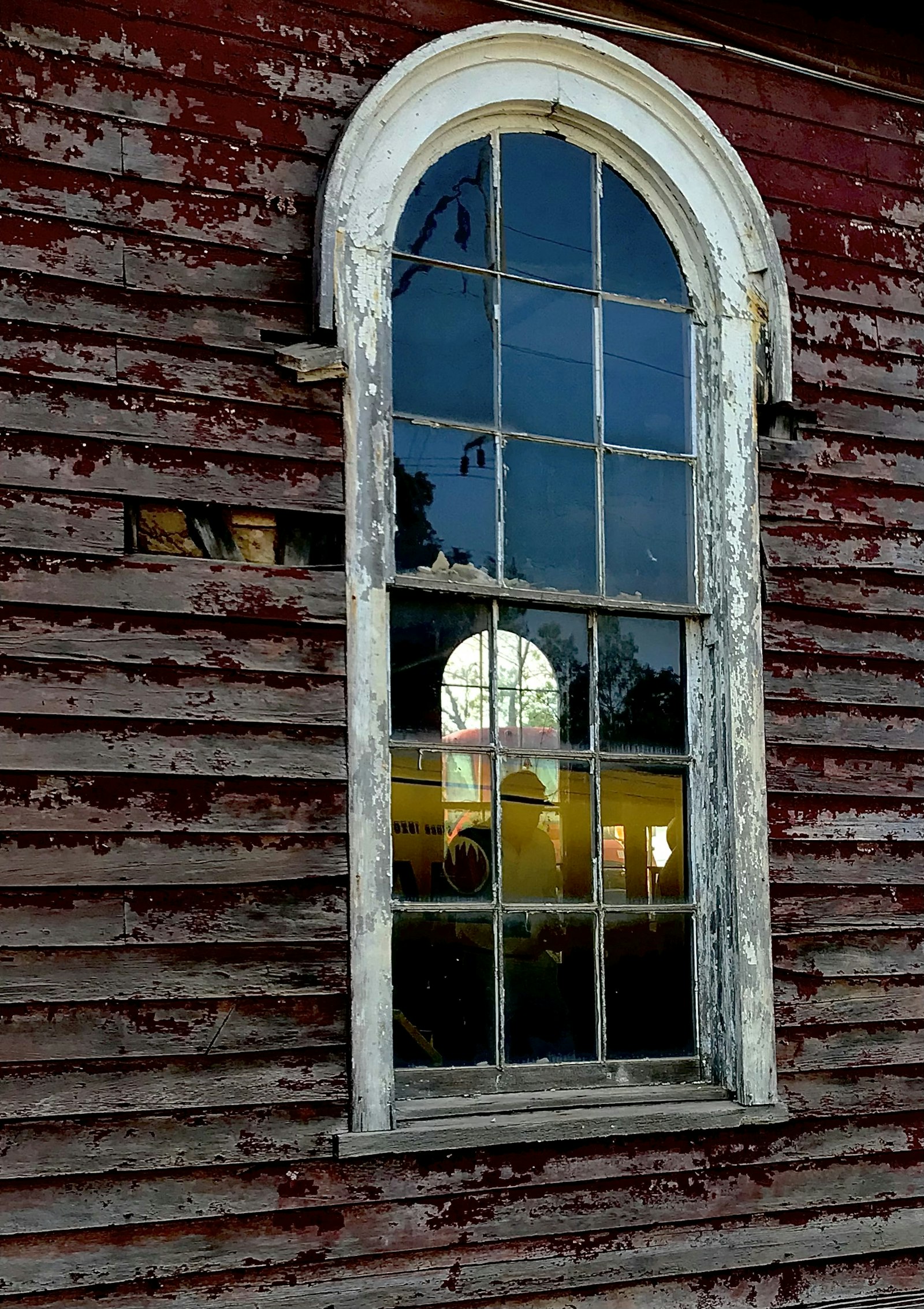
Repair or Replace? The Case for Restoring Original Wood and Steel Windows Instead of Ripping Them Out
Every historic building owner eventually hears the same recommendation from a window-replacement salesperson: the old wood or steel sash is "beyond saving," the frames are drafty, the glazing is failing, and a modern vinyl or aluminum-clad unit will solve it all in a weekend. For a single-family porch window, that trade might make sense. For an institutional, commercial, or multifamily building with 40, 90, or 200 original openings, it's a decision that deserves more scrutiny — because in most cases, the "beyond saving" verdict is wrong.
At JC Beal Construction, we've restored original wood and steel windows on buildings the same age as the brick and stone we've matched around them, and the pattern holds: the wood is usually old-growth, dense, and slow-grown — a material quality that isn't commercially available today at any price. The question owners should be asking isn't "repair or replace," it's "what does a proper repair actually involve, and does the building's use justify it." Here's how we walk institutional and commercial owners through that decision.
Why "Rotted" Rarely Means "Ruined"
A window sash that looks failed from the sidewalk — peeling paint, a soft sill, glazing putty falling out — is usually failed only at the surface. Rot in old-growth wood is typically confined to the outer inch or two, where end grain has been exposed to weather for decades. The core of the stile or rail is often sound. A qualified restoration carpenter can dig out the compromised wood, consolidate what's salvageable with an epoxy wood consolidator, and splice in new material (matched species, matched grain direction) only where it's actually needed. The result is a sash that is structurally whole and, because most of the original wood remains, still performs like old-growth lumber — tighter grain, better dimensional stability, and far more resistance to future rot than new construction-grade pine.
Steel sash — common in early-20th-century industrial, institutional, and commercial buildings across Detroit and Toledo — follows a similar logic. Surface rust and glazing failure are common; structural failure of the steel members is rare. Grinding, priming, and reglazing steel sash, with hardware serviced or replaced, typically restores function for a fraction of full replacement cost.
What a Real Cost Comparison Includes
Replacement bids often look cheaper on the surface because they compare a lump-sum unit price against an hourly restoration estimate. A fair comparison has to include:
- Disposal and disruption. Full-frame replacement usually means demolishing plaster or masonry returns around each opening — work that doesn't exist in a repair scope.
- Embodied carbon and material sourcing. Manufacturing new vinyl or aluminum units has a real environmental cost that repairing existing material avoids entirely.
- Tax credit eligibility. On any project pursuing federal or state historic tax credits, wholesale window replacement is one of the fastest ways to jeopardize Secretary of the Interior Standards compliance — reviewers scrutinize window scope closely, and repair is almost always the presumption unless deterioration is documented in detail, opening by opening.
- Long-term maintenance. Vinyl replacement units have a service life measured in 20-25 years and typically can't be repaired — only replaced again. A well-restored wood or steel window, properly maintained, can last another century.
Where Replacement Is the Honest Answer
Repair isn't a dogma — it's a judgment call, the same one we apply to any historic material decision. If an opening has been altered beyond recognition, if the sash is missing entirely, or if a previous "renovation" installed incompatible units that themselves now need replacing, matching new wood or steel sash to the original profile is often the right call. And for buildings where energy performance is a primary driver rather than a secondary one, a storm window system — interior or exterior — paired with a repaired original sash frequently outperforms full replacement on both efficiency and appearance, at a lower cost.
Getting an Honest Assessment
The right first step, before any bid comparison, is a window-by-window condition survey: which openings can be repaired in place, which need partial in-kind replacement, and which have deteriorated past the point of reasonable repair. That survey — not a general contractor's gut estimate — is what should drive the budget and the scope.
If your institution, commercial property, or multifamily building has original wood or steel windows and you're weighing a repair-versus-replace decision, connect with our team. We'll walk your building opening by opening and give you a scope and cost picture built on what's actually there — not a sales assumption.